Running has taken over the boutique schedule: treadmill interval studios, tread-and-floor bootcamps, and coached run clubs are some of the most-booked classes in every city. But there is a wide gap between a coach who hands you personal paces and fixes your stride, and one who just shouts a single speed at a room of very different runners. In running, that gap decides more than whether the hour is fun. It decides whether you get faster or get hurt.
This guide breaks down what separates a great running instructor from a person with a microphone and a stopwatch, and how to choose the right coach near you.
First, choose the format
“Running class” covers a few very different rooms. Know what you’re after before you read the schedule:
- Treadmill intervals. The boutique staple: base, push and all-out paces on the tread, often to music. The coach’s job is giving you personal speed and incline targets and keeping a whole room of paces working the same effort.
- Tread + floor. Alternating running blocks with strength or mat work (the Barry’s / Orangetheory model). A great teacher makes both halves count and cues the transitions so you’re never lost between the tread and the bench.
- Coached run clubs. Outdoor group runs led by a coach: easy miles, tempo work, hills. Here the coaching is about pacing groups, route strategy and effort, not a screen.
- Form & distance clinics. Slower, technical sessions or race build-ups. The instructor who runs these well can teach cadence and posture, not just log the distance.
What a great running instructor nails
Use this checklist when deciding whether a coach belongs on your regular schedule:
- They personalize your paces. The best instructors give you speed and incline targets based on your effort, not one number for the whole room. “Your push is a 7, hers is a 9” is coaching; “everybody to 8.0” is a playlist.
- They watch your stride. Great coaches leave the front, look at how you run, and give one specific fix (cadence, posture, overstriding) instead of cueing the crowd all at once.
- They make the numbers mean something. Pace, incline, cadence and heart rate are the language of running. A great teacher tells you which to chase and when, so the treadmill screen is a tool, not decoration.
- They build the run. Good instructors design intervals that hold up (enough recovery to keep the fast blocks fast, enough volume to make it honest), and call the changes a beat early so the room stays together.
- Nobody blows up or checks out. Beginners get paces they can actually hold; racers get a target that pushes them. Both leave having run smarter, not just harder.
The recovery test
Watch how the coach handles the recovery jogs, the easy blocks between the hard ones. Anyone can yell “faster” during a push. A real running instructor protects the easy pace, tells you to actually back off so the next interval lands, and fixes the people sprinting their recoveries into the ground. If every cue is just “pick it up,” keep looking.
How to read running ratings without getting fooled
A high star average is a good start, but the words around it tell you more. A coach loved for a relentless, sweat-soaked tread class and a coach loved for patient, technical form work are both great. They are just not the same morning.
- Read the coaching signals. Look for tags and reviews that mention personalized paces, form and stride cues, smart incline work, class structure and pacing.
- Compare inside the right scope. A treadmill-interval coach and a run-club leader should be discoverable by format and city, not lumped into one global fitness list.
Five steps to find a running coach you’ll love
- Choose the format (treadmill intervals, tread + floor, or a coached run club), then look for a coach praised for that exact style.
- Scan for real coaching: personalized paces, on-the-floor stride corrections, meaningful incline and cadence cues, and smart pacing.
- Compare fairly near you using per-category, per-city rankings instead of a generic boutique fitness score.
- Take one class and notice how you feel: strong and dialed in, or gassed with sore shins and no idea what your paces meant.
- Rate it while it’s fresh, tag what you loved, and build a list of coaches who make you a better runner.
Where Sweatlist comes in
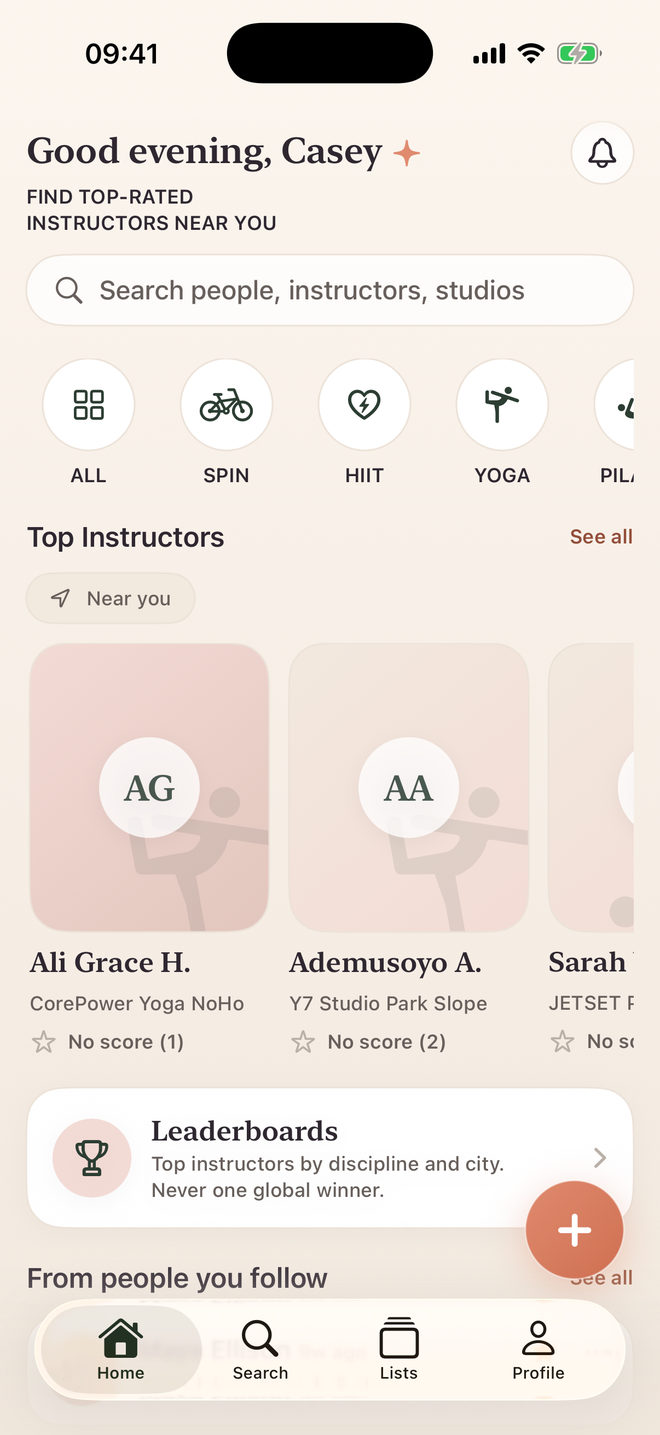
Sweatlist is the app for rating and ranking the people who teach your classes, including the running and treadmill instructors whose coaching decides whether you get faster or just tired. Give any coach a one-tap star rating after class, tag what you loved (personalized paces, coaching & cues, class structure, pacing), and find top-rated instructors near you on leaderboards that are fair by discipline and city. Build a “Best Running” list, follow people whose taste you trust, and stop picking classes by the time slot alone.
Best Coaching & cues · Running · NYC
No ratings yet. Sweatlist is out now on iPhone: be the first to rate running instructors in New York.
Also: Pacing · Treadmill · LA · Beginner-friendly · Run club · Austin
Exploring other studio formats? Start with the broader guide to finding the best fitness instructor near you, or read how to pick a great indoor rowing coach near you, a HIIT or bootcamp coach, a spin instructor, a strength or lifting coach and a dance cardio instructor.